Key Takeaways
- Before operation – Robotic-assisted surgery begins with advanced imaging and digital planning that help surgeons create a roadmap based on the patient’s unique anatomy.
- During the surgery – Robotic programs offer real-time intraoperative guidance that helps verify implant positioning, alignment, and movement while the surgeon remains in full control.
- The bigger picture – Surgical precision is important, but long-term success also depends on rehabilitation, physical therapy, overall health, and patient participation in their rehabilitation plan.
Precision Starts Before the First Incision
In the world of modern orthopedics, ensuring surgical precision requires more than just making clean, accurate cuts and implant placements mid-surgery; it demands strategic planning well before the procedure begins. Luckily, high-end robotics can improve surgical precision during both the planning and intraoperative stages.
One of the most beneficial things about robotic-assisted joint replacements is that surgeons can use robotic systems to study their patient’s anatomy in detail before entering the operating room. This is important because no two knees or hips are exactly alike—bone shape, alignment, cartilage wear, and joint mechanics can vary significantly from one person to another, affecting implant positioning goals.
Early planning creates a clear, patient-specific roadmap that the robotic technology can continually reference and provide feedback on as the surgeon carries out the joint replacement. Yet, the benefits don’t end there.
The guide below goes more in-depth on how robotics improve surgical precision so you can make informed decisions when pursuing orthopedic care.
What Does Surgical Precision Actually Mean?
Surgical precision is about establishing and executing a surgical plan with extreme accuracy, minimal collateral damage, and meticulous attention to detail.
How Surgical Precision Applies to Arthroplasties
Some ways a surgeon can exercise precision during a joint replacement include:
- Carefully reviewing imaging, anatomy, alignment, and bone quality before surgery and selecting an implant that appropriately matches the patient’s anatomy
- Making precise bone cuts at the planned angles and depths to create appropriate surfaces for the implant
- Using surgical instruments when carefully positioning components to achieve the planned alignment and orientation
- Evaluating limb and joint alignment throughout the procedure and assessing ligament tension and joint stability through the range of motion
- Using trial implants to evaluate fit, stability, movement, and balance before final implantation
- Moving the joint through its range of motion and confirming implant positioning, alignment, stability, and overall joint function before closing the surgical site
Robotic technology adds another layer of measurement and verification to several of these steps, while the surgeon remains responsible for the actual clinical decisions and execution.
Turning Imaging Into a Personalized Surgical Plan
One of the most noteworthy ways robotics improve surgical precision is through advanced imaging during the surgical planning stage.
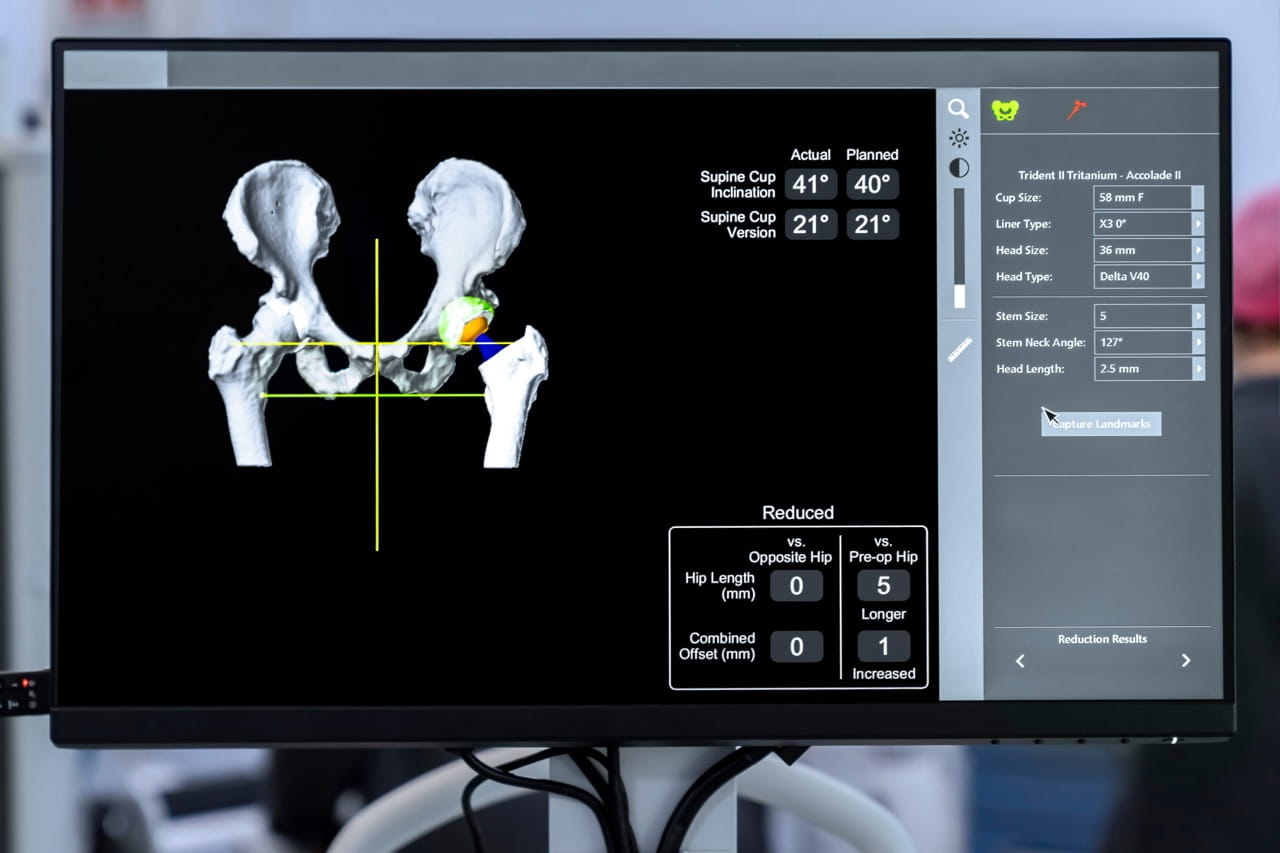
Robotic systems can take detailed imaging studies and transform them into a three-dimensional model of the patient’s joint—this digital model allows surgeons to examine the anatomy from multiple angles, measure alignment, assess bone structure, and plan implant placement with a high degree of detail.
In turn, robotic-assisted surgery makes it easier to design the surgical plan around the individual patient, which is crucial because every joint is different.
Why Personalized Planning is Important
Even patients with the same diagnosis can have significant differences in their joint anatomy and condition, including:
- Bone shape – Can influence implant fit and positioning
- Arthritis wear patterns – Can affect how much and where bone needs to be removed
- Ligament balance – Can influence joint stability and movement
- Previous injuries or surgeries – May alter bone structure, alignment, or soft-tissue function
Since these factors vary from patient to patient, the surgical plan should be tailored to each patient’s individual anatomy, joint condition, and functional goals.
What Personalized Planning May Include
Some aspects of a surgical plan that may be customized based on the patient include:
- Implant size and positioning
- Bone resection depth and location
- Alignment targets
- Joint balancing throughout the range of motion
Personalized planning can help surgeons anticipate the unique challenges posed by the patient and their anatomy before surgery begins. Significant deformity, bone loss, or unusual anatomy can often be identified during planning, allowing the surgical team to properly prepare for joint replacement surgery by coming up with appropriate strategies in advance.
Real-Time Guidance Throughout the Procedure
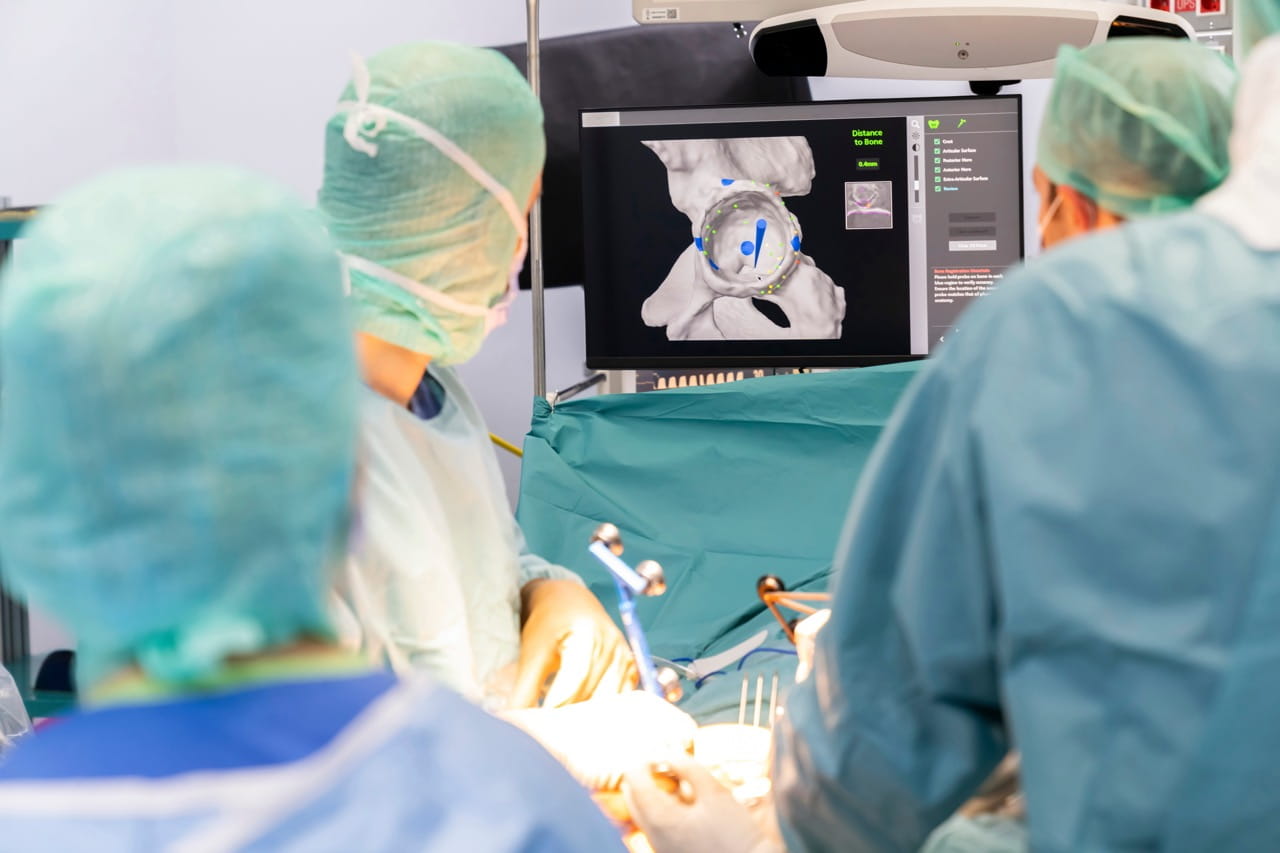
Preoperative planning is only the first step. During surgery, robotic systems provide continuous guidance while the surgeon performs the operation to encourage precision even further.
As a joint replacement progresses, robotic systems can help verify things like:
- Implant positioning
- Joint alignment
- Bone preparation
- Planned range of motion
- Soft tissue balance
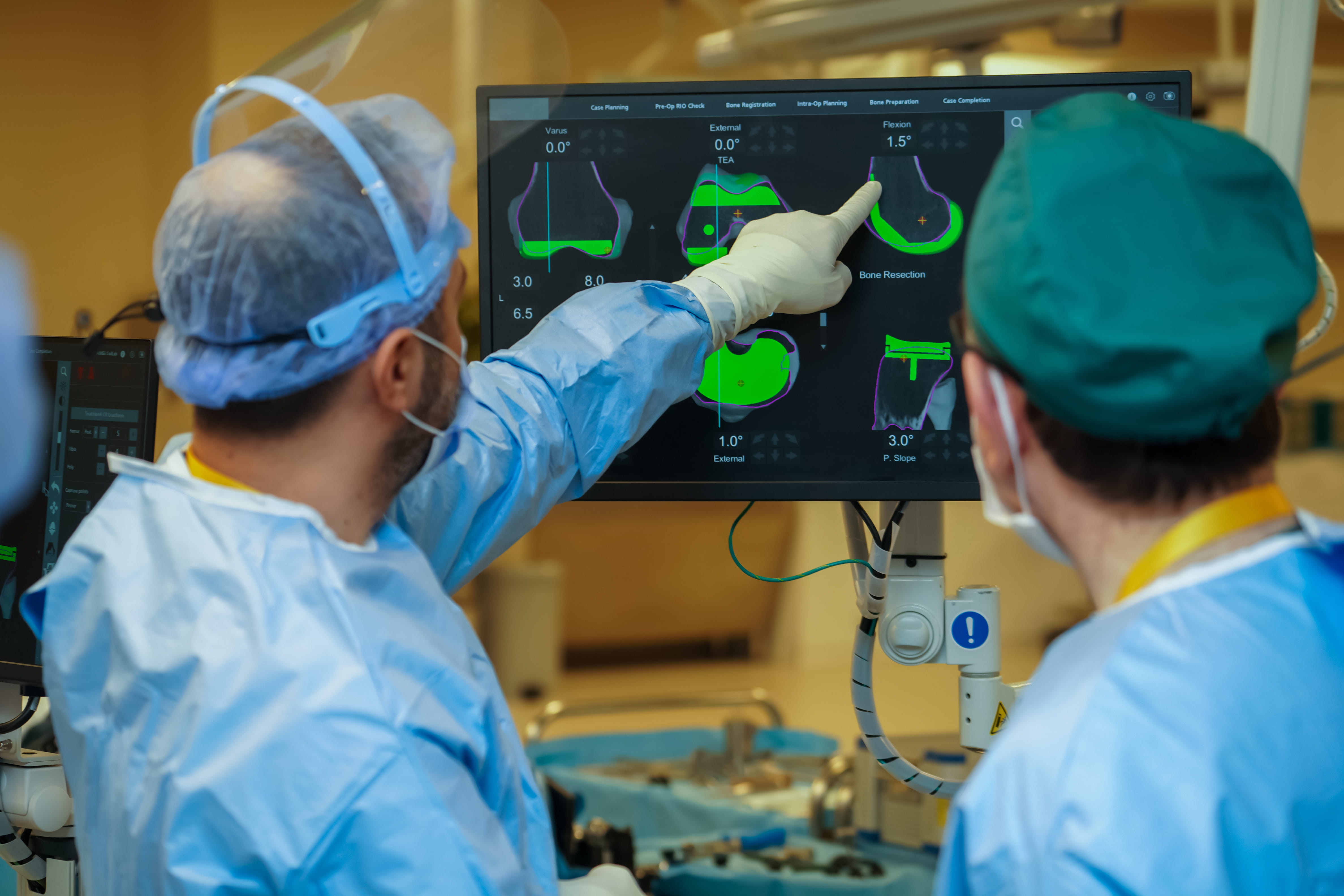
This intraoperative feedback allows the surgeon to compare the actual surgical result with the preoperative plan throughout the procedure. If adjustments are needed, the surgeon can make them immediately based on the patient’s anatomy and the real-time measurements being displayed—this continuous verification process is one of the key ways robotic systems support surgical precision.
Consistency From Start to Finish
One of the main differences between robotic and manual orthopedic surgery is that traditional procedures rely heavily on the surgeon’s experience, anatomical landmarks, manual measurements, and visual assessment. Although experienced surgeons can achieve satisfactory results with these manual techniques, robotic systems add another layer of consistency that is invaluable.
Why Consistency Is So Important
One of the main reasons consistency is so important during a joint replacement surgery is because even placing the prosthesis a matter of a few millimeters away from what was outlined in the surgical plan can make a meaningful difference in how forces are distributed across the joint, how the joint moves, and how surrounding soft tissues function.
Even small differences in alignment or implant placement may affect things like:
- Joint motion
- Stability
- Soft tissue tension
- Weight distribution
- Overall biomechanics
- Long-term implant performance
With that being said, it is important to note that not every millimeter difference directly leads to a problem. Human joints tolerate a range of positions, and successful outcomes depend on many other factors as well, from the patient’s muscle strength and overall health to their participation in physical therapy after surgery.
How Robotic Systems Promote Consistency
The table below features some noteworthy surgical steps and how robotic systems promote consistency in each.
| Surgical Step | Robotic Contribution | Why It Matters |
| Alignment assessment | Provides real-time digital measurements | Helps the surgeon assess alignment against the planned targets |
| Bone preparation | Guides bone preparation based on the planned resection | Helps the surgeon execute the planned cuts with greater consistency |
| Implant positioning | Continuously verifies positioning against the surgical plan | Helps confirm that the implant is positioned according to the planned alignment and placement |
| Joint balancing | Provides dynamic assessment as the joint moves through its range of motion | Helps the surgeon evaluate stability and soft-tissue balance |
| Final confirmation | Provides objective measurements before completing the procedure | Allows the surgeon to verify the final result against the surgical plan |
By helping ensure consistency during the surgical steps above, robotic systems can increase a patient’s chances of successfully relieving joint pain and restoring mobility to their joint.
Get Access to Cutting-Edge Surgical TechnologyAt the Scottsdale Center for Robotic Surgery, patients can benefit from Mako SmartRobotics, the CORI Surgical System, and the Omni Suite, which is an artificial intelligence-integrated operating room.
Robotic Doesn’t Mean Automatic
Robotic-assisted surgery is sometimes misunderstood as a procedure performed by a machine. In actuality, every aspect of the operation remains under the surgeon’s control. These systems just complement the surgeon’s experience by helping them reproduce the planned outcome more predictably from start to finish.
What Robotic Systems Cannot Do on Their Own
Some things robotic platforms cannot do independently include:
- Make a diagnosis – The surgeon evaluates the patient’s symptoms, imaging, medical history, and physical examination to determine the diagnosis.
- Determine whether surgery is appropriate – A robotic system cannot decide whether a patient should undergo joint replacement or another procedure.
- Select the implant – Implant selection depends on the patient’s anatomy, condition, goals, and the surgeon’s clinical judgment.
- Develop the overall treatment plan – The surgeon determines the appropriate surgical approach based on the patient’s individual circumstances.
- Make independent surgical decisions – Robotic systems provide measurements, guidance, and feedback, but the surgeon decides how to respond to that information.
In other words, these systems can’t replace surgical expertise. The technology does not substitute for the training, experience, and judgment required to perform an arthroplasty. Instead, it provides planning tools and real-time measurements that help the surgeon execute the procedure according to the individualized surgical plan.
Technology Works Best in Experienced Hands
At the Scottsdale Center for Robotic Surgery, robotic systems are used to support individualized surgical planning and precise execution while maintaining surgeon-directed care throughout the entire procedure. By combining advanced technology with surgical expertise and clinical judgment, the goal is to give each patient a treatment plan tailored to their anatomy, needs, and recovery goals.
Top 5 Questions to Ask About Robotic Surgery
If you are considering robotic-assisted joint replacement, five important questions you should ask are:
- Which robotic platform do you use?
- How does robotic planning influence my procedure?
- Am I a good candidate?
- How does robotics affect recovery, if at all?
- What experience do you have using robotic-assisted technology?
These questions can kickstart meaningful conversations about the process and how the technology may maximize the benefits of your outpatient joint surgery.
Precision Is Only the Beginning
While surgical precision is an important part of modern orthopedic care, it is only one component of a successful outcome. Long-term recovery depends on many factors that extend well beyond the operating room. For example, the patient’s participation in a rehabilitation plan with physical therapy, muscle strengthening, and activity progression also plays an essential role in restoring function after surgery.
The most successful outcomes occur when advanced surgical technology, experienced clinical decision-making, and patient commitment work together throughout the recovery process—that is why you have to choose the right surgeon. At the Scottsdale Center for Robotic Surgery, advanced robotic systems are combined with personalized surgical planning and experienced orthopedic care to help patients pursue the best possible outcomes.
If you’d like to learn more about how robotics improve surgical precision and whether robotic-assisted surgery may be right for you, contact us to schedule a consultation and explore your treatment options.